
You’ve probably noticed some massive changes happening in Nairobi’s skyline recently. Cranes and new high-rises seem to be popping up everywhere. Kenya’s construction industry is booming, and technology is fueling the revolution. Forget the old ways of doing things – tech innovations are transforming how buildings are designed and built in Kenya.
New digital tools are optimizing the whole construction process, from conception to completion. 3D modeling software allows architects and engineers to visualize new designs and spot problems before ground is even broken. Smart sensors and the Internet of Things are automating building systems to improve efficiency. And drones are providing aerial views of sites to monitor progress and ensure projects stay on schedule.
The construction tech revolution isn’t just about fancy new gadgets, though. It’s creating new economic opportunities and building a more sustainable future for Kenya. A tech-powered construction industry is greener, faster, and primed for further innovation. The skyscrapers rising up across Nairobi’s skyline are a glimpse into the future – a future built on technology.
How Drones and Satellite Imaging Are Streamlining Site Surveys in Kenya
Drones and satellite imaging are revolutionizing how construction projects are surveyed in Kenya. Gone are the days of relying solely on manual surveying techniques that were time-consuming and often inaccurate.
Now, drones can capture high-resolution photos and videos of sites that are then used to create detailed 3D models. Developers can get a bird’s eye view of the entire site and pinpoint obstacles or challenges even before ground crews go in. Satellite data provides an even wider perspective, helping companies locate ideal sites for projects and map out the surrounding infrastructure.
Together, drones and satellite imaging are streamlining the site survey process.### Teams can do in days what once took weeks, allowing construction to start sooner and avoid costly errors or oversights. For example, drones can quickly map the boundaries of a site and identify the locations of existing buildings or foliage. Satellite data shows the proximity to roads, utilities, and transit lines so companies can better plan access and resources.
###With an accurate site survey in hand, developers can better estimate costs, reduce environmental impact, and build more efficiently. In a booming construction market like Kenya’s, the advantages of tech-enabled surveying are hard to overstate. The future is here, and for Kenya’s builders, it’s hovering in the skies and orbiting high above.
3D Printing and Building Information Modeling: The Future of Construction in Kenya
With 3D printing and building information modeling (BIM), Kenya’s construction industry is becoming more innovative, efficient and tech-savvy.
3D printing, also known as additive manufacturing, allows companies to print 3D models of buildings and structures. This makes it easier to visualize the final design and make modifications before actual construction begins. 3D printing is also used to create components of buildings that are pre-assembled on site, speeding up construction time. Some companies are even experimenting with 3D-printed homes!
BIM is a process that uses 3D technology to design, plan and manage building projects. Architects, engineers and contractors collaborate on a digital platform to create a 3D model of a building that contains all the necessary design and construction data. This results in more accurate cost estimates, reduced errors, improved productivity, and the ability to see how all building components will come together.
With these advanced technologies, Kenya’s construction companies can increase productivity, reduce waste, and deliver higher quality results. 3D printing and BIM make it possible to complete more building projects in less time. They also allow for more complex designs that would otherwise be very difficult to achieve.
The future is here, and for Kenya’s construction industry, it’s 3D and high-tech. While still relatively new, 3D printing and BIM are revolutionizing the way buildings are designed and built. These innovative technologies are helping to build a stronger, more modern and globally competitive construction sector in Kenya. The sky’s the limit!
How Artificial Intelligence and Machine Learning Are Improving Project Management
Artificial intelligence and machine learning are transforming how construction projects are managed. AI programs can analyze huge amounts of data to identify patterns and insights that humans alone may miss. Project managers are finding AI invaluable for:
Improving scheduling. AI can review thousands of past construction projects to determine the most efficient sequencing of tasks. It provides recommendations for optimal staffing levels and alerts managers to potential delays before they happen.
Optimizing resource allocation. By tracking the movement of materials, equipment, and workers in real time, AI helps ensure that the right resources are in the right place at the right time. This minimizes downtime and maximizes productivity.
Detecting defects. AI models trained on large datasets of images can identify structural or safety issues that human inspectors may overlook. Computer vision systems mounted on drones or hardhats allow for constant monitoring and early detection of problems.
Enhancing collaboration. AI chatbots and virtual assistants help facilitate communication between project stakeholders. They can answer basic questions, schedule meetings, and streamline workflows to keep all parties on the same page.
Improving accuracy. AI reduces errors in tasks like cost estimation, budgeting, and bidding. Its advanced analytical capabilities allow for more precise projections based on a complex web of factors. This results in cost savings and higher profit margins.
The future is bright for continued AI adoption in construction. Emerging technologies like self-driving bulldozers, AI-enabled hardhats, and robotic site inspectors will amplify the power of AI and further optimize project outcomes. AI is fast becoming indispensable for any construction firm looking to gain a competitive advantage. The question is not whether to implement AI, but how quickly you can start reaping the benefits.
How Mobile Apps and Wearable Tech Are Enhancing Safety and Productivity
Mobile apps and wearable technology are revolutionizing construction work in Kenya. Apps and smart devices are enhancing safety, productivity, and connectivity on job sites.
Construction companies are using mobile apps to improve project management and scheduling. Apps like Asite and Procore help manage documents, schedules, budgets, and communication. Supervisors can track the progress of multiple projects in real-time and make quick adjustments.
Wearable tech like smart helmets, vests, and badges are boosting safety. Smart helmets can detect hazardous gasses and alert workers. Smart vests monitor vital signs like body temperature, heart rate, and location to prevent injuries and accidents in remote areas. Smart badges allow workers to alert emergency responders with the press of a button if there is an accident or health emergency.
Exoskeletons and robotic equipment are reducing physical strain and improving mobility. Exoskeleton suits provide extra strength and endurance so workers can lift heavy materials and tools for longer. Robotic arms and drones are taking over dangerous duties like demolishing structures, inspecting high areas, and transporting materials over rough terrain.
Mobile communication tools are connecting teams across sites. Apps like WhatsApp, Facebook Workplace, and Microsoft Teams enable real-time messaging, file sharing, video calls, and project updates. When everyone has access to the latest information, it minimizes confusion, avoids duplicate work, and allows quick problem-solving.
Advancements in mobile and wearable tech are ensuring construction projects in Kenya are safer, faster, and higher quality. By empowering and connecting workers through smart devices, the construction industry will continue moving in a highly productive direction. The future is bright for technology-enhanced building in Kenya.
The Outlook for Technology in Kenya’s Construction Sector
The future looks bright for technology in Kenya’s construction industry. Several innovations are transforming how buildings and infrastructure are designed and built.
Automation and Robotics
Advancements in automation, robotics and AI will significantly impact construction. Autonomous equipment like self-driving bulldozers, excavators and cranes are enhancing safety, productivity and efficiency on job sites. 3D printing is enabling the fabrication of entire buildings in a fraction of the time.
Virtual and Augmented Reality
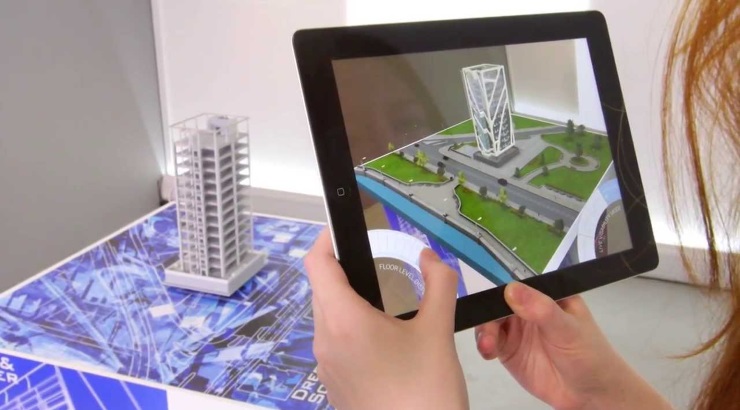
Virtual reality and augmented reality are changing how structures are visualized and built. VR allows architects and engineers to immerse themselves in highly detailed 3D models to optimize designs before ground is even broken. On site, AR overlays digital plans and schematics onto the real physical environment around the workers so they can see specifications in real-time. This reduces errors and rework.
drones
Unmanned aerial vehicles or drones are being deployed for aerial photography, mapping, and surveying of construction sites. Their images are used to create 3D models and topographical maps that provide detailed information about the terrain and help with planning. Drones can also monitor the progress of projects and detect any issues with the builds.
Modular and Prefabricated Construction
Modular and prefabricated construction involves creating components of a structure in a factory and then assembling them on site. This approach is faster, produces less waste, and provides more consistent quality. In Kenya, prefab housing and building solutions are providing affordable and dignified shelter at scale.
The future is bright for technology integration in Kenya’s construction industry. Advancements in automation, VR, drones and prefab techniques will drive greater efficiency, productivity, cost-savings and access to shelter. The outlook moving forward is an innovative, tech-enabled sector building higher quality infrastructure and housing for all Kenyans.
Conclusion
You’ve seen the ways technology is rapidly changing how buildings and infrastructure get built in Kenya. Drones are mapping construction sites, mobile apps are managing projects, 3D printers are creating materials on-demand. The construction industry that has typically lagged in adopting new technologies is catching up fast. While human workers are still critical, their jobs are evolving. Many of the repetitive and dangerous tasks are being handed over to machines, freeing up people to focus on more complex and creative work. The pace of change can feel dizzying, but these advances are improving efficiency, safety, and quality. Projects are being completed faster and more affordably. Kenya’s built environment is being transformed before our eyes through the power of technology, and the future looks very bright. The next decade will likely bring even more innovations to further revolutionize construction. The industry may never look the same again. Overall, these are exciting times with much to gain from embracing an increasingly automated and high-tech approach to building the world around us. The future is being built today in Kenya.
