
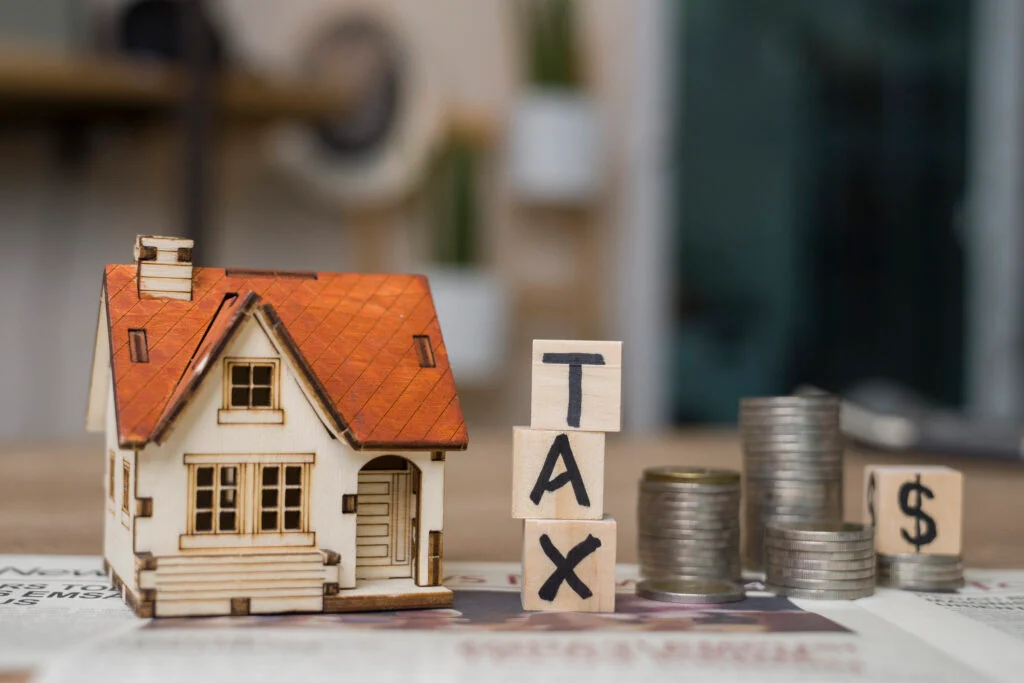
Real estate taxes in Kenya refer to the taxes imposed on properties and land within the country. These taxes are an essential source of revenue for the government and play a significant role in financing public services and infrastructure development.
The Kenyan government has established a comprehensive taxation system to regulate real estate taxes. Property owners are required to pay various taxes, including land rates, property transfer taxes, and capital gains taxes.
Land rates are annual taxes levied on the value of land and are typically determined by local authorities. The rates are based on factors such as the location, size, and use of the land. Property owners must ensure timely payment of land rates to avoid penalties and legal consequences.
Property transfer taxes are applicable when ownership of a property is transferred from one party to another. These taxes are calculated as a percentage of the property’s value and are payable by the buyer or transferee. The government imposes strict regulations to ensure the proper collection of transfer taxes during property transactions.
Capital gains taxes are levied on the profit generated from the sale of a property. When a property is sold at a higher price than its initial purchase price, the seller is liable to pay capital gains tax on the realized gain. The tax rate varies depending on the duration of ownership and other factors determined by the Kenyan Revenue Authority.
It is essential for property owners in Kenya to understand and comply with the real estate tax regulations. Failure to do so may result in legal consequences, penalties, or even the loss of property rights. Seeking professional advice or consulting with tax authorities can help ensure compliance and minimize any potential issues related to real estate taxes.
In conclusion, Kenyan real estate taxes are an integral part of the country’s taxation system. Property owners must fulfill their tax obligations to contribute to the development of the nation and avoid any legal complications.
