
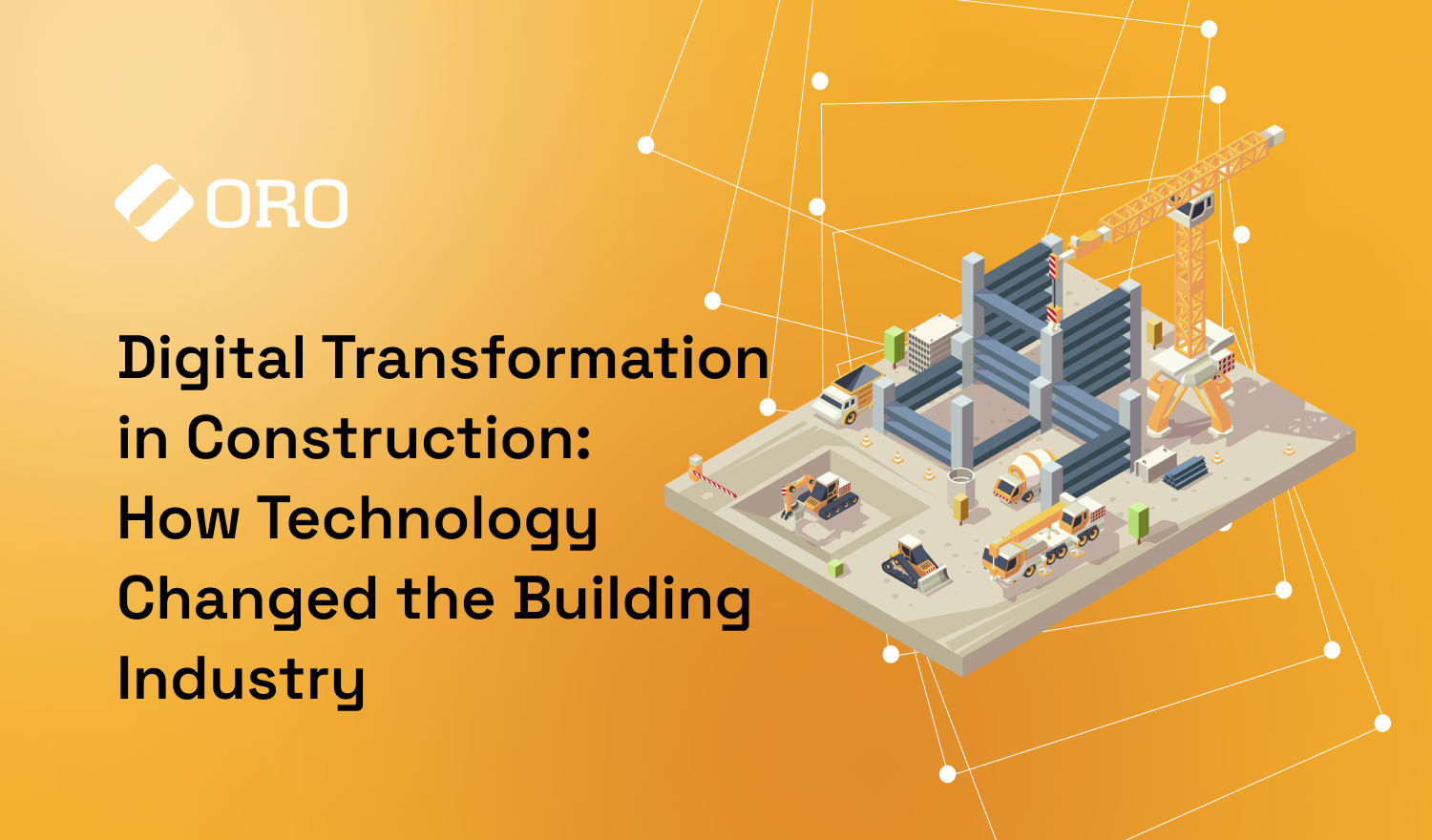
Technologies have had a significant impact on the construction sector. In the past, the construction industry performed a significant amount of its work by hand, which made the process labor- and time-intensive. The construction sector can now operate considerably more quickly and effectively because of the introduction of new technology like 3D printing, drones, and robotic machinery.
Construction businesses may now provide a considerably wider range of services than ever before because of the rapid advancement of construction technology in recent years. Residential construction is currently one of the most in-demand services provided by construction firms. New house building and home remodeling are both included in residential construction.
Although historically dominated by males, women may now engage in the construction business to a greater extent than ever before thanks to new technology. Women may now work in all areas of construction, including project management, design, and engineering, thanks to new technology.
Technology has impacted the construction industry in the following ways;
1. New tools and techniques
Nearly every aspect of the building has changed as a result of technological advancements. The materials utilized have changed, and this is one of the most obvious changes. Innovative actions like recycling concrete are now possible thanks to new technologies. More environmentally friendly materials are being developed by scientists. Carbon fiber is demonstrating its durability as a building material.
The way that construction businesses use these materials is also changing thanks to technology. Prefabrication is not a novel concept, but 3D printing is. Buildings as a whole are being 3D printed by creative firms. The components may be transported and put together on the project site after printing.
2.Increased efficiency in finishing building projects
A significant building project can take months or even years to finish. The speed at which building projects can be finished nowadays, thanks to technologies like drones and 3D printers. This is especially helpful in situations like natural catastrophes where quick and dependable building is crucial.
3.An improvement in construction workers’ safety
Construction labor frequently involved danger and a significant potential for injury or death. The danger of injury or death among construction workers has greatly decreased thanks to modern technologies, such as drones and robotic machinery.
4. Predictive analytics and machine learning
Artificial intelligence (AI) developments have made it possible for several sectors to use this technology. AI use in the construction sector is still going strong. The most well-known illustration is that of autonomous automobiles. These vehicles have not yet been broadly utilized by any construction companies. Vehicles with no drivers will probably take their place shortly.
Other applications of AI exist for the building industry. Large volumes of data are required for these systems to “learn.” This information can also be made available for your business analytics. By using this data, predictive analytics can identify what is most likely to occur. Some AIs could be able to foretell the right time to order specific resources. Others will provide suggestions for avoiding problems at the job site and assist you in identifying them.
5. The capacity to operate in challenging environments
Construction workers frequently had to put their lives in danger in order to complete their tasks in challenging locations, such as high up on structures or bridges. Work may be done securely from the ground by construction personnel thanks to modern technologies like drones and robotic machinery.
6. The capacity to reuse and recycle building materials
There was a lot of garbage and pollution as a result of the frequent disposal of construction waste. Construction workers may reuse and recycle building materials thanks to modern technologies like 3D printers and robotic tools. This benefits the environment by lowering waste and pollution.
7. The capacity to create more complicated and complex structures
Because of the limits of technology in the past, it was sometimes difficult to build complex structures. Workers in the construction industry may now construct considerably more detailed and sophisticated buildings thanks to modern technologies like 3D printers and robotic tools. It implies that building professionals may now erect structures that were previously regarded as impractical.
8. The capability of remotely monitoring building projects
To oversee building projects, construction employees needed to be present. Building personnel can remotely oversee building projects thanks to modern technologies like drones and 3D printers. Because of this, construction workers are able to multitask and be more flexible.
Conclusions
Technology has indeed played a significant role in the building and construction industry. It has brought solutions to some of the bottlenecks that existed in the industry. Thanks to recent technical advancements, the construction sector has undergone significant upheaval. Construction workers may now construct complicated and complex buildings, operate safely from a distance, recycle and reuse building materials, and build structures on demand. Building employees may also supervise projects remotely, model building sites virtually, and collaborate with other experts to form a strong construction team. These technical developments have improved productivity and quality in the building sector.