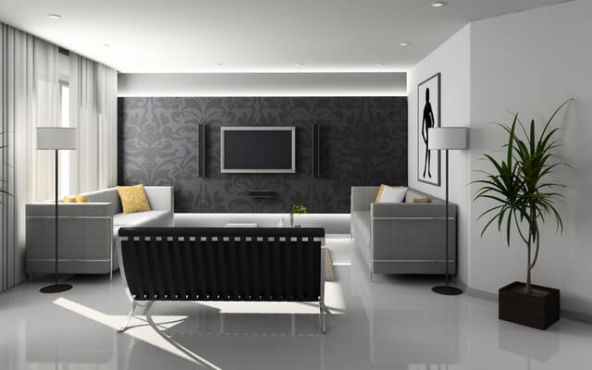
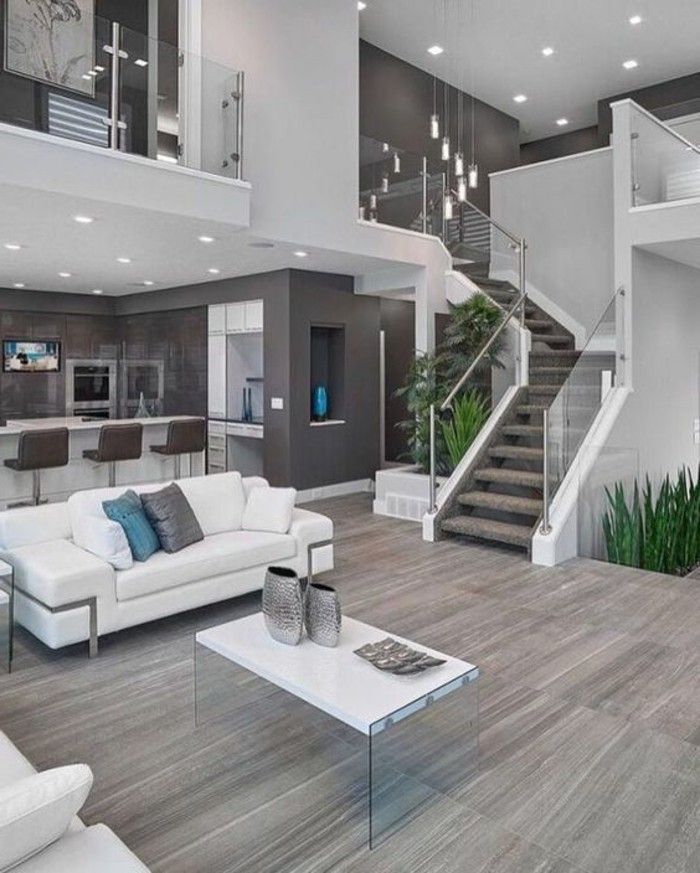
So you want to give your place a stylish, modern makeover but don’t know where to start. Not to worry, we’ve got you covered. When it comes to creating a contemporary space, less is more. Keep things minimal, declutter, and choose a neutral color palette accented with pops of color. Focus on clean lines, natural light, and multi-functional furniture. Use decorative accents sparingly for maximum impact. The key is keeping it simple but bold.
Follow these 10 tips and you’ll be well on your way to crafting a sleek, contemporary space you’ll be proud to call home. Ready to get started? Let’s go! Your dream home awaits.
Focus on Minimalism and Declutter
To give your home a modern minimalist vibe, decluttering and focusing on open space is key.
Get rid of knickknacks and clutter on tables, shelves, and counters. A few decorative items are fine, but less is more. Store or donate anything you do not need or have not used in a while. Keep surfaces clear and only display items that you love or that are visually appealing.
Pare down furniture to create an open flow in each room. Remove bulky armchairs, heavy dressers, extra side tables, and the like. Opt for streamlined pieces with simple, clean lines. Leave ample walking space between furniture.
Choose a neutral and minimal color palette of grays, whites, and light wood tones. Add pops of color with art, rugs, pillows, or greenery. Keep walls white or light gray for an airy feel.
Built-in or concealed storage helps hide clutter. Use baskets, bins, and drawer dividers to neatly organize what’s left out in the open.
A minimalist home should feel open and spacious, not empty. Add life with houseplants, natural light, and natural materials like wood or stone. A contemporary space invites calm and clarity, leaving you with a sense of ease and freedom from excess. With some decluttering and small design tweaks, you’ll achieve a modern minimalist oasis in no time.
Use Neutral Colors With Pops of Bright Accents
When it comes to creating a modern space, neutral colors are your best friend. Use them as a base for your walls, floors, and larger furniture. Then, add pops of bright accent colors through accessories like throw pillows, art, rugs, and decorative objects.
Stick to shades of gray, beige, white, and light natural wood tones for a contemporary yet cozy feel. These hues make a room feel open and airy. They also act as a blank canvas, allowing your accent colors to take center stage.
For accents, consider vibrant teal, orange, red or yellow. Use accent colors in groupings of three for maximum visual impact. A trio of brightly colored throw pillows on a neutral sofa or a set of three art prints on a wall are perfect examples.
Keep in mind the 60-30-10 rule: 60% neutral base, 30% secondary color, and 10% bright accent. This formula will make your space stylish without seeming haphazard or cluttered.
When selecting specific accent pieces, look for ones with a modern minimalist aesthetic. Geometric patterns, abstract designs, metallics, and high-gloss or lacquered finishes all fit the bill. Sleek, streamlined silhouettes for furniture and decor are also ideal for a contemporary space.
By using neutral bases, limiting the number of accent colors, and choosing pieces with a modern minimal style, you’ll have a home interior with a chic contemporary vibe in no time. Your space will feel cohesive yet bold, inviting yet uncluttered – the perfect combo for 21st-century comfort.
Include Lots of Natural Light
Natural light is key to creating a contemporary space. Let the sun shine in! Open the blinds and consider the following tips:
Maximize Your Windows
Windows are the gateway for natural light, so make the most of them. Remove heavy drapes and opt for sheer curtains or blinds instead. This allows light to filter in while still providing some privacy. Consider replacing small windows with larger ones if possible – more glass means more light.
Skylights & Sun Tunnels
Can’t add more windows? No problem. Skylights and sun tunnels draw natural light from above into interior rooms. Skylights open up the ceiling while sun tunnels use reflective tubing to channel light through attics and drop ceilings. Both options significantly brighten up space without the need for additional windows.
Keep Walls Light & Bright
Dark walls absorb light, making rooms feel cramped and dim. Paint walls in light, bright colors like off-white, light gray, or pale pastels to maximize the natural light. For high-contrast accent walls, choose warm tones like sunshine yellow or terracotta orange which reflect more light than cool tones.
Glossy Surfaces
Just like light walls, glossy and reflective surface materials help bounce natural light around the room. Choose flooring like polished wood or tile, countertops such as quartz or granite, and lacquered wood furnishings. Stainless steel and chrome accents also reflect light beautifully. The more reflective surfaces, the brighter and more spacious your room will feel.
Mirrors
Strategically placed mirrors are a simple way to reflect natural light and brighten up a space. Hang mirrors opposite or adjacent to windows so they can catch the incoming light and reflect it deeper into the room. Mirrored furniture like consoles, dressers, and side tables also work great for this purpose.
Bringing in natural light through various means will illuminate your home with a bright, contemporary glow. Open the blinds, add more windows or skylights if possible, and choose light, reflective materials, and accents to make the most of the sun. Your space will feel fresh, modern, and full of life.
Use Multi-Functional Furniture
Look for furniture that serves multiple purposes
In small spaces, multi-functional furniture is a must. Rather than designating different areas of your home for different activities, choose furniture that lets you do more than one thing. For example:
- A storage ottoman doubles as extra seating and a place to stash blankets, books or anything else.
- A drop-leaf table can be expanded for dining or folded up when not in use to save space.
- A sofa bed or futon works as a couch by day and a bed for overnight guests.
- Nesting tables slide under each other when you only need one surface, then can be pulled out separately when you need more table space.
Consider furniture on wheels
Another space-saving trick is choosing furniture on wheels or casters. This allows you to easily move pieces into different configurations depending on your needs. For example:
- Rolling carts, tables, and cabinets can be moved around and repurposed in various rooms.
- Bar carts aren’t just for cocktails – use one as a side table or kitchen cart.
- Invest in a few mobile chairs, stools, or poufs that can be maneuvered to accommodate extra seating where needed.
Being able to move your furniture lets you open up more floor space when needed for activities like exercising, entertaining, or playing with kids and pets. When the activity is over, roll everything back into place. This flexibility is perfect for small homes.
Look for vertical storage
Don’t forget to utilize vertical space for storage. Wall shelves, hanging racks and cabinets, and multi-level furniture are all great options for stashing items up and out of the way. Other ideas include:
- Magnetic wall boards for hanging tools, pots, pans, and other metal items.
- Wall-mounted bike racks to free up floor space.
- Floating shelves for books, photos, plants and decor.
- Pantry cabinets that extend all the way to the ceiling. Every inch of space matters!
Using vertical space in your home is an easy way to keep things tidy and prevent a cluttered look, even in a small space. Get creative with the wall space you have and you’ll gain plenty of useful storage.
Add Green Plants for Freshness
Adding live plants is one of the easiest ways to make your home feel fresh and contemporary. Greenery literally breathes life into a space and provides a pop of natural color. Here are some tips for using plants to decorate your home:
Choose low-maintenance plants
Unless you have a green thumb, opt for plants that don’t require a lot of care. Some great options include:
- Succulents like echeveria, haworthia, and crassula. They only need moderate light and watering.
- Snake plants and ZZ plants. These plants can tolerate low light and inconsistent watering.
- Pothos plants. Fast-growing pothos do well in most indoor conditions and help purify the air.
Group plants together
Clustering several plants together in one area creates an indoor garden feel. Try grouping plants of the same type or with complementary leaf shapes and sizes. Use plant stands, shelves, and pots of varying heights for a layered look.
Add height with stands
Elevating plants at different levels adds height and dimension to a space. Use plant stands, pedestals, shelves, and hanging planters to create height. Having plants at eye level or higher helps to draw the eye up and makes ceilings appear higher.
Include greenery in unexpected places
Don’t just limit plants to tables and floors. Add greenery to unconventional spots like:
- Hanging planters in corners or above furniture.
- Shelves mounted on walls.
- Plant stands in entryways.
- Windowsills to frame views outside.
Consider the container
The plant container you choose is just as important as the plant itself. For a contemporary look, select simple containers in natural materials like ceramic, concrete, rattan or metal. Minimal, geometric shapes work well in modern spaces. The container should be proportional to the plant so it does not appear top heavy or overwhelmed by the pot.
With some low-key plants and creative placement, you can freshen up your space and give it a modern, stylish vibe. Greenery adds life and a pop of nature that will make your home feel contemporary and cozy.
Conclusion
So there you have it, 10 simple tips to give your home a contemporary facelift. Following these guidelines, you’ll be well on your way to a stylish space you’re proud to call home. Don’t be afraid to experiment with different colors, textures, and layouts. The key is finding what works for your personal style and the architecture of your place. If you get stuck, look to social media or design blogs for inspiration. But remember, the most important design tip is making your home a reflection of you. Add personal touches, artwork, photos, or accessories that make you happy. A contemporary home should be a warm, inviting, and uncluttered space. So keep things minimal, maximize natural light, and choose high quality, long-lasting furnishings. Before you know it, you’ll be living in a modern masterpiece. The best of luck designing your dream home! Let the decorating begin.